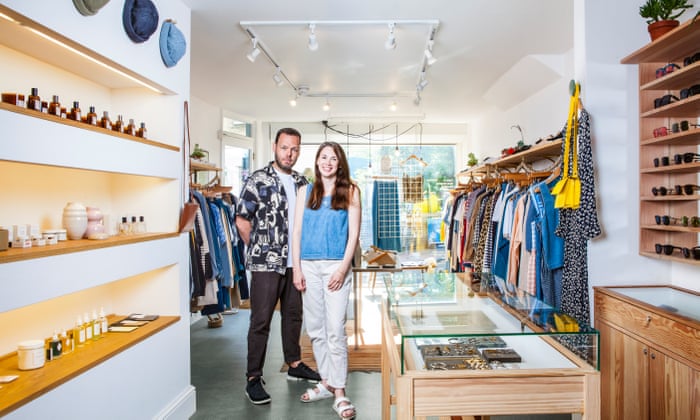


Personalized styling has become one of the defining strengths of boutique retail experiences. Unlike large-scale stores that rely on volume and standardization, boutiques often build relationships with clients through attention, expertise, and thoughtful guidance. For many shoppers, personalized styling is not simply a service enhancement. It is the reason they choose boutique environments in the first place.
Understanding why boutique clients value personalized styling reveals how modern retail expectations are evolving. Today’s customers are seeking confidence, clarity, efficiency, and identity-driven wardrobe decisions rather than endless racks of anonymous options.
The Shift From Transactional Shopping to Guided Experiences
Retail behavior has changed significantly over the past decade. Clients increasingly prefer curated environments over overwhelming inventory.
Personalized styling transforms shopping from a task into a collaborative experience. Instead of browsing without direction, clients receive:
- Tailored suggestions
- Honest feedback
- Efficient wardrobe coordination
- Context-based outfit recommendations
This structure removes uncertainty and replaces it with clarity.
Boutique clients often describe personalized styling as the difference between guessing and knowing what works.
Personalized Styling Builds Trust Between Client and Boutique
Trust is one of the most powerful reasons boutique clients return repeatedly.
When a stylist remembers a client’s preferences, sizing needs, lifestyle requirements, and comfort boundaries, the relationship becomes more meaningful than a typical retail interaction.
Clients begin to rely on boutiques for:
- Seasonal wardrobe planning
- Event-specific outfit selection
- Fit consistency
- Brand discovery
- Styling advice aligned with personal goals
Over time, the boutique becomes a reliable partner rather than a store.
Trust encourages loyalty, and loyalty supports long-term retail relationships.
Clients Value Time Efficiency in Personalized Styling
Modern clients often balance demanding schedules. Personalized styling helps them shop quickly and confidently.
Instead of browsing through dozens of unsuitable pieces, stylists pre-select options that align with:
- Body shape
- Color preferences
- Professional needs
- Travel requirements
- Social environments
This preparation shortens decision-making time dramatically.
Many boutique clients appreciate knowing they can enter a store and leave with a complete outfit rather than spending hours comparing choices.
Efficiency is one of the most underestimated benefits of personalized styling services.
Personalized Styling Reduces Decision Fatigue
Too many choices often lead to uncertainty rather than satisfaction.
Boutiques solve this problem by narrowing selections thoughtfully.
Stylists help clients:
- Compare silhouettes effectively
- Understand proportions
- Choose fabrics intentionally
- Evaluate versatility before purchase
This guidance reduces hesitation and improves confidence in purchasing decisions.
Clients frequently report feeling calmer and more focused when working with stylists who understand their needs.
Boutique Styling Encourages Wardrobe Cohesion
One major difference between boutique styling and standard retail shopping is continuity.
Rather than suggesting isolated pieces, stylists often build wardrobes strategically.
They consider:
- Existing garments in the client’s closet
- Future outfit combinations
- Seasonal transitions
- Travel needs
- Professional environments
This approach ensures new purchases support long-term wardrobe functionality rather than short-term trends.
Cohesion is especially valuable for clients who prefer smaller, more intentional wardrobes.
Personalized Styling Supports Individual Identity
Clients increasingly want clothing that reflects who they are rather than what is trending.
Boutique stylists often spend time learning about:
- Personal aesthetics
- Lifestyle routines
- Cultural influences
- Comfort preferences
- Confidence boundaries
These insights shape recommendations that feel authentic rather than generic.
Identity-driven styling helps clients feel more connected to what they wear.
Instead of copying trends, they build wardrobes that represent their own perspective.
Boutique Clients Appreciate Access to Expert Knowledge
Personal stylists bring technical knowledge that most shoppers do not encounter in large retail environments.
This knowledge includes:
- Fabric performance
- Construction quality
- Fit adjustments
- Layering techniques
- Seasonal styling strategies
Clients benefit from understanding why certain pieces work rather than simply being told what to buy.
Education strengthens purchasing confidence.
Over time, clients become more skilled at recognizing quality and compatibility within their own wardrobes.
Personalized Styling Improves Fit Confidence
Fit is one of the most common frustrations in clothing shopping.
Boutique stylists help clients identify silhouettes that align with their proportions.
Support may include:
- Suggesting tailoring-friendly garments
- Recommending flattering cuts
- Adjusting layering strategies
- Identifying comfortable structure levels
Clients who receive this guidance often experience fewer return purchases and greater satisfaction with their selections.
Fit confidence leads directly to wardrobe confidence.
Clients Enjoy Discovering Brands Through Boutique Stylists
Boutiques frequently introduce clients to independent or emerging brands that are not widely available elsewhere.
Stylists help interpret these collections in ways that make them approachable.
Clients benefit from:
- Exposure to new designers
- Access to limited-production pieces
- Unique wardrobe additions
- Distinctive styling direction
Discovery adds excitement to the shopping experience while maintaining relevance to the client’s personal style.
This balance between novelty and familiarity keeps boutique relationships engaging.
Personalized Styling Strengthens Event Preparation
Boutique clients often seek styling assistance for important occasions.
Examples include:
- Professional presentations
- Weddings
- Travel wardrobes
- Social gatherings
- Seasonal transitions
Stylists help coordinate outfits that meet both functional and aesthetic expectations.
Instead of assembling event outfits independently, clients receive structured support that reduces uncertainty.
Preparedness contributes to confidence in social and professional environments.
Boutique Styling Encourages Thoughtful Purchasing Decisions
Impulse purchases are less common when clients work with stylists.
Instead, stylists encourage evaluation based on:
- Versatility
- Fabric quality
- Longevity
- Outfit compatibility
- Lifestyle alignment
This approach helps clients build wardrobes intentionally rather than reactively.
Many boutique clients value this discipline because it reduces unnecessary spending over time.
Thoughtful purchasing strengthens satisfaction with each addition to the wardrobe.
Personalized Styling Creates a Comfortable Shopping Environment
Large retail environments can feel overwhelming for some shoppers.
Boutiques often provide quieter, more focused spaces where clients feel comfortable exploring options at their own pace.
Stylists contribute to this environment by:
- Listening carefully
- Offering honest suggestions
- Respecting preferences
- Avoiding pressure-driven recommendations
Comfort encourages openness, which improves styling outcomes.
Clients are more likely to experiment with new ideas when they feel supported rather than rushed.
Clients Value Consistency Across Visits
Consistency is a defining strength of boutique relationships.
Stylists often maintain familiarity with:
- Client sizing patterns
- Favorite silhouettes
- Preferred fabrics
- Color palettes
- Occasion-based needs
This continuity allows each visit to build on the last rather than starting from scratch.
Clients appreciate returning to a store where their preferences are remembered.
Consistency simplifies future shopping decisions significantly.
Personalized Styling Supports Long-Term Wardrobe Planning
Many boutique clients are not shopping for individual outfits alone. They are building wardrobes over time.
Stylists help guide this process by:
- Identifying missing essentials
- Suggesting layering structures
- Coordinating seasonal transitions
- Planning travel wardrobes
- Balancing statement and foundational pieces
Long-term planning ensures each purchase contributes to a larger wardrobe strategy.
This approach transforms shopping into a structured process rather than a series of disconnected decisions.
Boutique Clients Appreciate Honest Feedback
Honest feedback is one of the most valued elements of personalized styling.
Stylists often provide insights that clients cannot easily evaluate on their own.
Examples include:
- Whether a silhouette complements proportions
- If a color enhances complexion
- How a garment performs across multiple settings
- Whether a piece integrates with existing wardrobe items
Constructive guidance strengthens trust and improves outcomes.
Clients often return specifically because they value reliable advice.
Personalized Styling Enhances Confidence Beyond Clothing
The impact of personalized styling extends beyond garments.
Clients frequently report improvements in:
- Professional presence
- travel readiness
- social confidence
- daily outfit efficiency
- decision clarity
Clothing becomes easier to manage when supported by expert guidance.
Confidence grows naturally when wardrobe choices feel intentional and aligned with personal goals.
FAQ Section
How is boutique personalized styling different from department store styling services
Boutique styling typically focuses on long-term relationships and curated collections rather than large inventory navigation, making recommendations more precise and personal.
Do boutique stylists usually work with clients before appointments begin
Yes, many stylists gather information about preferences, sizing, and wardrobe needs in advance to prepare tailored selections.
Is personalized styling only useful for fashion-focused clients
No. Many clients seek styling support primarily for efficiency, organization, and confidence rather than trend awareness.
Can boutique stylists help build capsule wardrobes
Yes. Stylists often specialize in identifying versatile pieces that coordinate across multiple outfits and seasons.
Are personalized styling sessions usually limited to clothing only
Not always. Many boutiques also include accessories, footwear suggestions, and layering strategies as part of the styling process.
Do clients need frequent appointments to benefit from personalized styling
Even occasional sessions can provide long-term wardrobe improvements when guided by experienced stylists.
Is personalized styling helpful during career transitions
Yes. Stylists often assist clients in adjusting wardrobes to match new professional environments or responsibilities.