
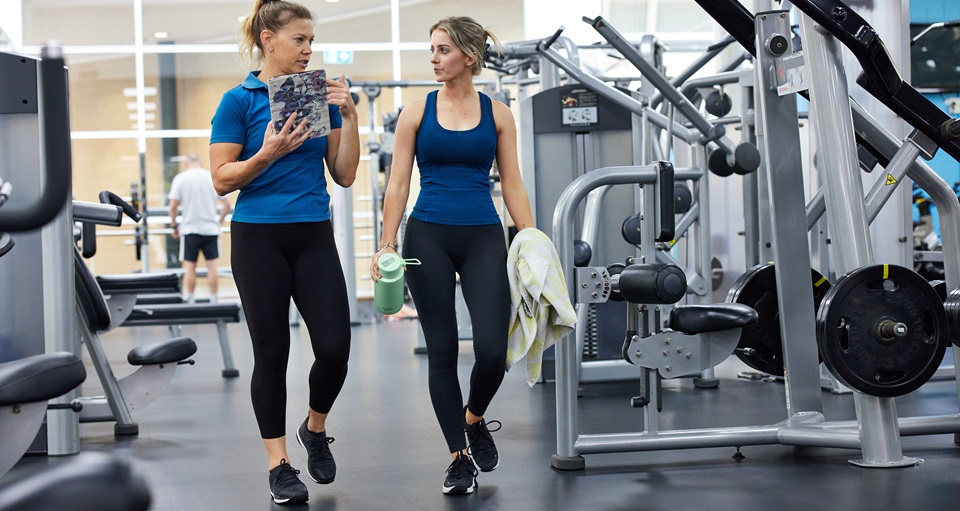

Singapore’s work culture is known for long hours, high performance expectations, and fast-moving schedules. While ambition drives productivity, it also creates challenges for maintaining consistent health routines. Many professionals struggle to commit to rigid schedules, which is why a gym membership singapore that offers flexibility has become increasingly valuable. Flexibility is no longer a convenience, it is a requirement for sustainable fitness in modern working life.
Rather than fitting life around workouts, flexible gym access allows workouts to fit around life. This alignment is what makes long-term gym participation realistic for working adults.
Understanding Singapore’s Modern Work Patterns
Workdays in Singapore often extend beyond standard office hours. Meetings run late, commute times vary, and many professionals manage overlapping personal and professional responsibilities.
Common work-related challenges include:
-
Irregular working hours
-
Shift-based or hybrid schedules
-
Frequent overtime or project deadlines
-
High mental workload and stress
-
Limited energy after long workdays
Traditional fitness routines that require fixed class times or strict schedules often fail under these conditions.
Why Rigid Fitness Schedules Fail Working Adults
Rigid gym schedules assume predictable routines. When work demands fluctuate, these assumptions break down.
Rigid systems often lead to:
-
Missed sessions due to unexpected meetings
-
Guilt-driven motivation loss
-
All-or-nothing attendance patterns
-
Eventual membership dropout
Flexibility removes these barriers by allowing members to train when energy and time align rather than forcing adherence to fixed windows.
How Flexible Gym Access Supports Consistency
Consistency is the most important factor in fitness outcomes. Flexible gym access supports consistency by adapting to changing schedules rather than competing with them.
Flexibility enables:
-
Training at different times on different days
-
Shorter sessions when time is limited
-
Adjusted intensity based on energy levels
-
Sustainable routines during busy periods
When attendance becomes adaptable, consistency improves naturally.
Mental Load Reduction Through Choice
Decision fatigue is a major issue in high-pressure work environments. When fitness routines add complexity, they become mentally exhausting.
Flexible gym memberships reduce mental load by:
-
Removing pressure to attend specific sessions
-
Allowing spontaneous training decisions
-
Supporting quick workouts without planning stress
-
Encouraging autonomy rather than obligation
This psychological relief increases long-term adherence.
Productivity and Energy Alignment
Training at the wrong time can worsen fatigue. Flexible gym access allows individuals to align workouts with their natural energy rhythms.
Some professionals perform better with:
-
Morning sessions before work
-
Midday workouts for mental reset
-
Evening sessions for stress relief
Flexibility allows experimentation, helping members discover what works best for their productivity and recovery.
Supporting Hybrid and Remote Work Models
Hybrid and remote work models are now common in Singapore. These arrangements create varied daily schedules that change week to week.
Flexible gym access supports:
-
Training between remote meetings
-
Adjusting workouts around home responsibilities
-
Maintaining routines during schedule changes
-
Avoiding long breaks in activity
This adaptability keeps fitness integrated regardless of work location.
Short Sessions Still Deliver Value
Many working adults assume workouts must be long to be effective. In reality, shorter sessions performed consistently deliver significant benefits.
Flexible gyms support:
-
Efficient strength sessions
-
Focused cardiovascular workouts
-
Mobility and recovery-focused training
-
Time-efficient routines during peak work periods
Short sessions reduce the mental barrier to attendance.
Stress Management Through Schedule Control
Loss of control over time increases stress. Flexible fitness routines restore a sense of autonomy, which directly improves wellbeing.
Gym participation becomes:
-
A stress management tool rather than an obligation
-
A personal boundary within busy schedules
-
A form of active recovery
-
A mental reset between responsibilities
This reframes fitness as support rather than pressure.
Long-Term Habit Formation in Real Work Conditions
Habits formed under ideal conditions rarely survive real life stress. Flexible gym memberships encourage habit formation under actual working conditions.
This leads to:
-
Greater habit resilience
-
Reduced dropout during busy seasons
-
Long-term lifestyle integration
-
Fitness becoming part of identity rather than a phase
When fitness adapts to work, it lasts.
Business Travel and Schedule Disruptions
Business travel and irregular weeks disrupt rigid fitness plans. Flexible access allows members to resume training immediately without guilt or penalty.
Benefits include:
-
No pressure after missed sessions
-
Faster return to routine
-
Reduced stop-start cycles
-
Sustained motivation
This continuity supports long-term outcomes.
Value Perception and Membership Satisfaction
Members who use gym access regularly perceive greater value. Flexibility increases usage frequency even when sessions are shorter.
Higher usage leads to:
-
Stronger habit reinforcement
-
Better physical and mental outcomes
-
Improved membership satisfaction
-
Reduced cancellation likelihood
Flexibility directly influences retention.
Facilities such as TFX Singapore offer structured yet adaptable environments that support real-world schedules rather than idealised routines.
Career Longevity and Health Sustainability
Long-term career success depends on sustained physical and mental health. Flexible fitness supports this by fitting into demanding careers without burnout.
Long-term benefits include:
-
Better stress tolerance
-
Improved energy consistency
-
Reduced risk of lifestyle-related illness
-
Enhanced work-life balance
Fitness becomes a performance asset rather than a competing demand.
Real-Life Indicators Flexible Fitness Is Working
Signs that flexibility is supporting consistency include:
-
Regular attendance despite busy weeks
-
Reduced stress around missed sessions
-
Improved energy at work
-
Better sleep consistency
-
Greater confidence in maintaining routines
These indicators reinforce continued participation.
FAQ
Are flexible gym memberships less effective than fixed programmes?
No. Effectiveness depends on consistency, not rigidity. Flexible access often improves adherence.
Can short workouts still deliver health benefits?
Yes. Consistent short sessions support strength, cardiovascular health, and stress management.
Does flexibility reduce discipline?
Flexibility supports sustainable discipline by reducing burnout and guilt-driven dropout.
Is flexible training suitable for high-pressure careers?
Yes. It adapts to fluctuating schedules and energy levels common in demanding roles.
How often should working adults train with flexible access?
Three to five sessions per week depending on workload and recovery needs.
Does flexible gym access support long-term health goals?
Yes. It integrates fitness into real-life routines, improving sustainability and outcomes.