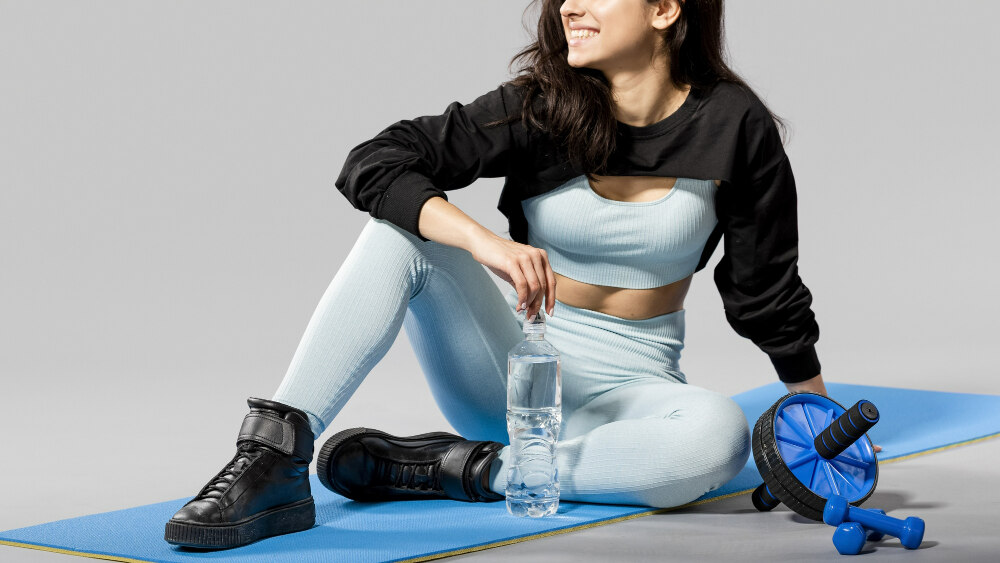

Workout performance is often associated with effort, technique, and consistency, yet one critical factor is frequently overlooked. Clothing choices play a direct role in how well the body moves, stabilises, and regulates temperature during structured workout classes. In a group class environment where movements are dynamic and pacing is fixed, unsuitable apparel can quietly undermine performance and comfort.
For active adults in Singapore, where humidity, heat, and fast transitions are part of daily life, the impact of workout apparel becomes even more pronounced. Choosing the right clothing is not about fashion statements. It is about enabling efficient movement and avoiding unnecessary distractions during training.
How Apparel Influences Movement Quality
Every exercise requires freedom of movement across multiple joints. Clothing that restricts motion alters movement patterns, often without the wearer realising it.
Poor apparel choices commonly lead to:
-
Limited hip or shoulder range of motion
-
Altered squat and lunge mechanics
-
Reduced stride length during cardio movements
-
Compensatory movement patterns
Over time, these limitations affect performance and may increase injury risk. Workout classes demand consistency, and restricted movement works against that goal.
Fabric Choice and Its Impact on Performance
Fabric selection has a significant effect on comfort and endurance during classes. In Singapore’s climate, moisture management and breathability are essential.
Breathability and Temperature Regulation
Classes often involve sustained effort with minimal breaks. Non breathable fabrics trap heat and moisture, leading to early fatigue.
Effective performance fabrics:
-
Allow airflow to cool the body
-
Wick sweat away from the skin
-
Dry quickly between movements
Better temperature regulation helps maintain energy levels and focus throughout the session.
Weight and Flexibility of Materials
Heavy or rigid fabrics increase perceived effort. Lightweight, flexible materials move with the body rather than against it.
This improves:
-
Movement efficiency
-
Comfort during repeated exercises
-
Confidence in dynamic transitions
Participants often perform better simply because movement feels easier.
Fit Matters More Than Style
Loose or excessively tight clothing both present challenges during workout classes.
The Problem With Loose Apparel
Loose tops or bottoms may seem comfortable, but they can interfere with movement and awareness.
Issues include:
-
Fabric catching during transitions
-
Reduced visibility of body positioning
-
Increased distraction during fast paced exercises
In coach led classes, clear visibility of joint alignment helps instructors provide accurate cues.
Risks of Overly Tight Clothing
Extremely tight apparel restricts circulation and joint movement. Compression has benefits, but excessive tightness reduces comfort and performance.
Balanced fit:
-
Supports muscles without restricting movement
-
Allows natural joint motion
-
Improves comfort over longer sessions
Fit should enhance performance, not limit it.
Apparel and Stability During Classes
Many workout classes involve changes in direction, single leg movements, or unstable positions. Apparel influences stability more than most people realise.
Waistbands and Core Support
Poorly designed waistbands can shift during movement, causing constant adjustments and reducing focus.
Stable waistbands:
-
Stay in place during dynamic exercises
-
Support core engagement
-
Reduce distractions
This stability supports better technique and confidence.
Grip and Footwear Interaction
While footwear is critical, apparel also plays a role in traction. Slippery fabrics can affect contact points during floor based exercises.
Clothing that stays secure helps maintain control during planks, lunges, and transitions.
Sweat Management and Comfort in Group Settings
Sweat is inevitable in workout classes. How apparel handles moisture directly affects comfort and hygiene.
Moisture Retention vs Moisture Release
Fabrics that retain sweat become heavy and uncomfortable. This increases friction and irritation.
Effective sweat management:
-
Keeps skin dry
-
Reduces chafing
-
Improves overall comfort
This allows participants to focus on performance rather than discomfort.
Odour Control and Class Confidence
In group environments, confidence matters. Apparel that manages odour supports comfort and social ease, encouraging consistent attendance.
Adapting Apparel to Different Class Types
Not all workout classes place the same demands on clothing. Apparel should match the session’s movement patterns and intensity.
Strength and Resistance Classes
Strength focused classes benefit from:
-
Flexible fabrics that support full range of motion
-
Secure waistbands for stable lifting
-
Breathable materials to manage heat
These features support controlled movement and proper form.
Cardio and High Energy Classes
Cardio classes require:
-
Lightweight materials
-
High moisture wicking capability
-
Secure fit to prevent shifting
This reduces distractions during fast paced movement.
Mobility and Recovery Classes
Mobility sessions prioritise comfort and flexibility.
Ideal apparel includes:
-
Stretch friendly fabrics
-
Minimal seams to avoid irritation
-
Relaxed but secure fit
Comfort supports deeper stretches and relaxation.
Psychological Effects of Proper Workout Apparel
Clothing affects mindset as much as physical performance.
Confidence and Focus
When apparel fits well and functions properly, participants feel more confident. This confidence translates into better effort and engagement during classes.
Reduced Distraction Equals Better Performance
Constantly adjusting clothing breaks concentration. Apparel that stays in place allows participants to focus fully on movement and coaching cues.
Long-Term Impact of Apparel Choices
Over time, consistent apparel issues lead to reduced enjoyment and attendance. Comfortable, functional clothing supports regular participation.
This contributes to:
-
Better training consistency
-
Reduced frustration
-
Improved long-term results
At True Fitness Singapore, members attending diverse workout classes benefit most when apparel supports rather than hinders movement, allowing full engagement in every session.
Common Apparel Mistakes in Workout Classes
Many performance issues can be traced back to simple clothing errors.
Common mistakes include:
-
Wearing cotton based fabrics for high intensity classes
-
Choosing fashion over function
-
Ignoring fit during dynamic movements
-
Reusing worn out apparel that has lost elasticity
Addressing these issues often leads to immediate improvements in comfort and performance.
Real-Life FAQs
Q: Does workout apparel really affect performance in classes?
A: Yes. Apparel influences movement freedom, temperature regulation, stability, and focus, all of which affect performance.
Q: Is compression clothing necessary for workout classes?
A: Compression can support muscles and circulation, but it should not restrict movement. Moderate compression works best.
Q: Can poor apparel increase injury risk?
A: Indirectly, yes. Restricted movement or instability caused by clothing can lead to compensation and strain over time.
Q: How often should workout apparel be replaced?
A: When fabrics lose elasticity, breathability, or shape, replacement is recommended to maintain performance and comfort.
Q: Should apparel choices change based on class type?
A: Yes. Different classes place different demands on movement, sweat management, and stability, making tailored choices beneficial.